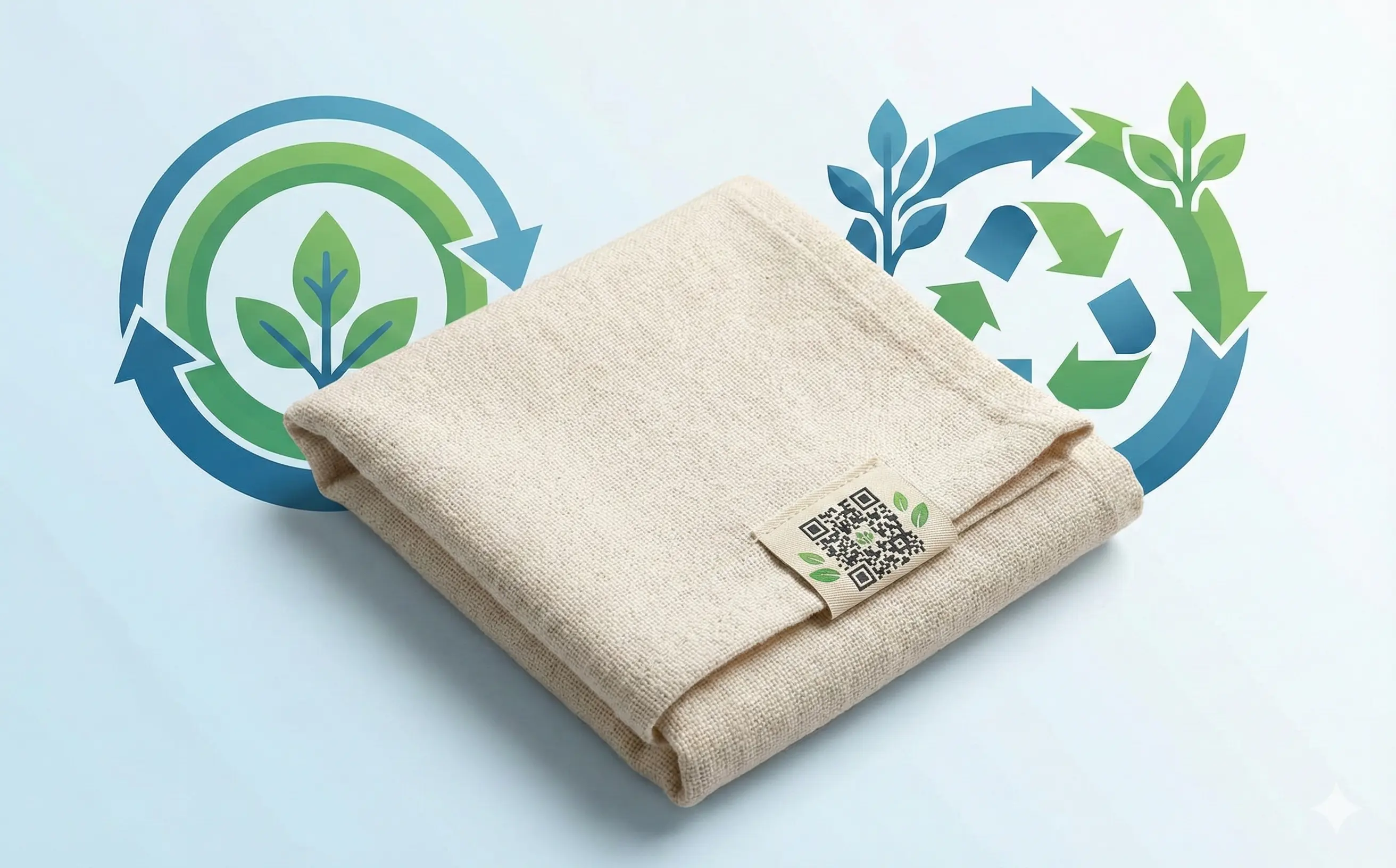
Environmental Impact of Textile Industry
The textile sector is responsible for approximately 10% of global carbon emissions. This rate is more than the combined emissions of aviation and maritime sectors. The EU is introducing comprehensive regulations to reduce this impact.
EU Textile Strategy
The European Union's Sustainable and Circular Textiles Strategy aims for textile products to be:
- Longer-lasting
- Repairable and recyclable
- Made from recycled fibers
- Produced with respect for social rights and environment
Textile DPP Requirements
From 2027, Digital Product Passport for textile products must include:
- Fiber composition and ratios
- Country and facility of production
- Carbon footprint calculation
- Water consumption and chemical use
- Recycling instructions
- Care and repair information
Opportunities for Textile Sector
DPP compliance will provide textile companies with:
- Uninterrupted access to EU market
- Sustainability-focused branding
- Competitive advantage
- New business opportunities
Textile DPP Solutions with IDIPP
IDIPP offers DPP solutions specific to the textile sector. Apply now for supply chain transparency, material traceability, and EU compliance.
Etiketler
TextileSustainabilityFashionCircular Economy
Category:
Sustainability